
Why You Should Care About Growing Your Own Food
by Mareeam Tomomi Ahmed in Culture & Lifestyle on 26th May, 2026


If you are what you eat, then am I toxic?
Picture this: you wake up in the morning to eat a healthy fruit bowl. The berries were freshly grown at your home or by someone you know, and your meals are regularly as picture-perfect as the ones you see online.

You know where the produce has come from: a neighbour, a local garden had a give-away or you grew them yourself. Rest assured, these are free of harmful chemicals and a person was not exploited and underpaid for the handful of berries you’re enjoying today.
It’s been a year of volunteering on any free days you have, and you know which produce is in season and eat according to nature’s pace – no need to expect fresh strawberries in winter, but you opt for blackberries, apples, plums and pears. You are no longer paying extortionate amounts for your produce, and even harvesting them yourself and enjoying harvests from local friends and family. Consuming produce from Spain, Greece or South Africa that is sprayed with chemicals to ensure freshness is a thing of the past.
A Bitter Seed to Swallow
Unfortunately, fresh produce has fallen into the wealth gap and is no longer easily affordable. The distribution of fresh, healthy produce is unequal, where the working class does not have the choice of buying organic and often resorts to buying canned or frozen fruit and vegetables. The UK’s dependence on food banks has soared, as food insecurity is on the rise.
Food is political, and it is a representation of the state of a society. Can people afford to eat healthy, chemical-free foods? If not, should that not be a basic requirement of any country?
Access to fresh produce and foods is an indicator of wealth, with images of food waste, excess and over consumption flooding mainstream media. Food has even entered into social media trends like endless reels on how to make your favourite coffee-chain iced coffees with ingredients you already have at home, or making headlines as avocado on toast became an indicator of wealth and a supposed culprit for the lack of savings and home ownership amongst millennials.
Food has become sensationalised, where fresh produce is on the same runway as luxury clothes and accessories. A Moschino Fall 2024 campaign depicts an unpackaged baguette – it is freshly baked – with stalks of greens, eucalyptus and florals, creating a scene of unattainable luxury.

The produce is not a snack for the models, nor does it serve any real purpose to the clothing line. It’s a prop in a world where children pick up grains of rice and heapfuls of flour from the floor in Gaza and Sudan. As we enter a reality of regular wars, increased political instability and higher tariffs, food is getting harder to find and as costly as a £960 Moschino shopping bag.

Freedom to Eat Fresh!
Food sovereignty is a human right. It is defined as a right to access to seasonal, healthy and cultural food. It extends to give consumers influence over where their produce comes from and how it is distributed. Before industrialisation and the commercialisation of food growing, we had control over the way our food was produced, traded and consumed, with direct access to the food growing system, like farmland and gardens.
To want food sovereignty seems obvious, but it is difficult to resist a system you don’t know exists.
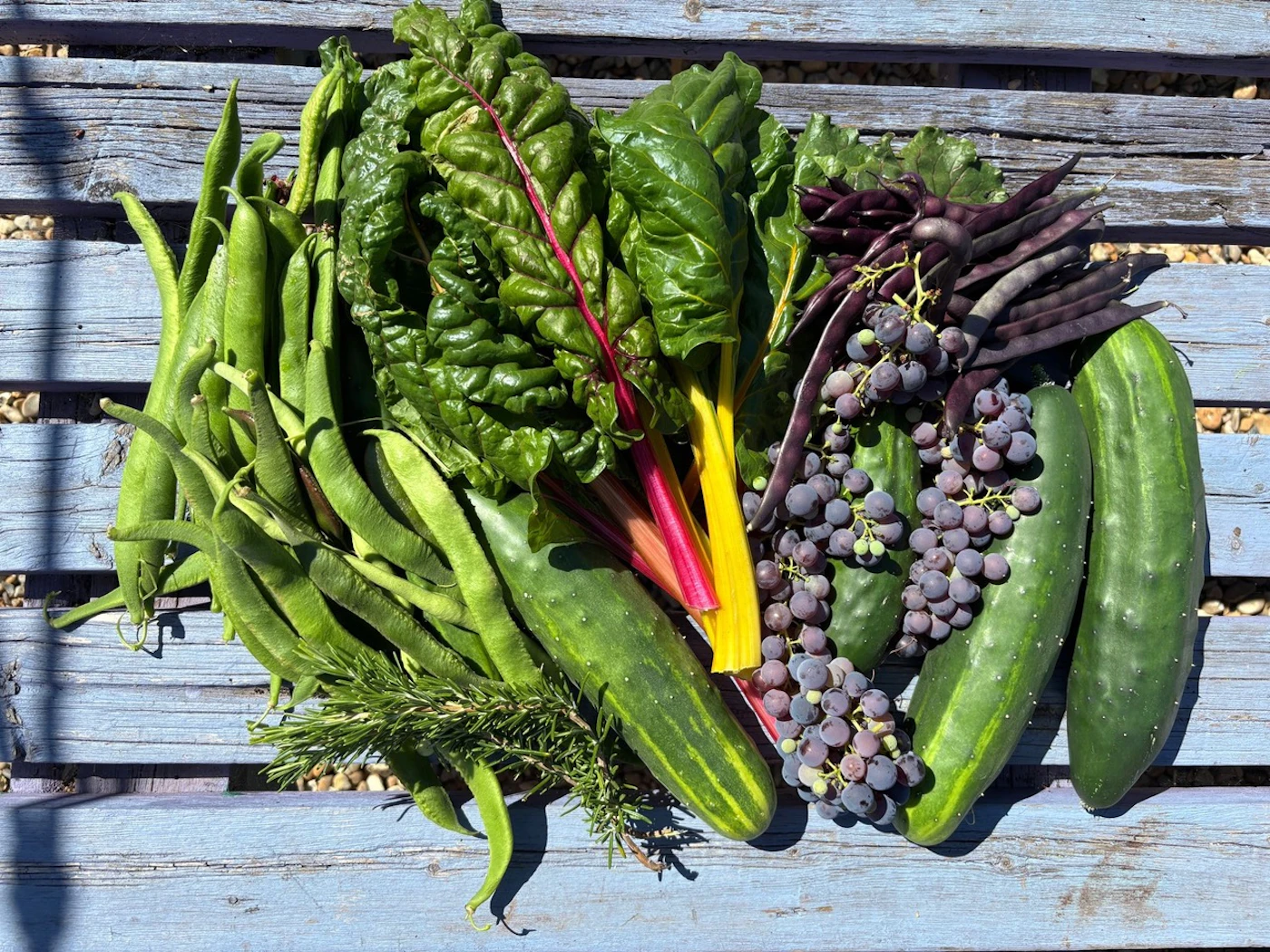
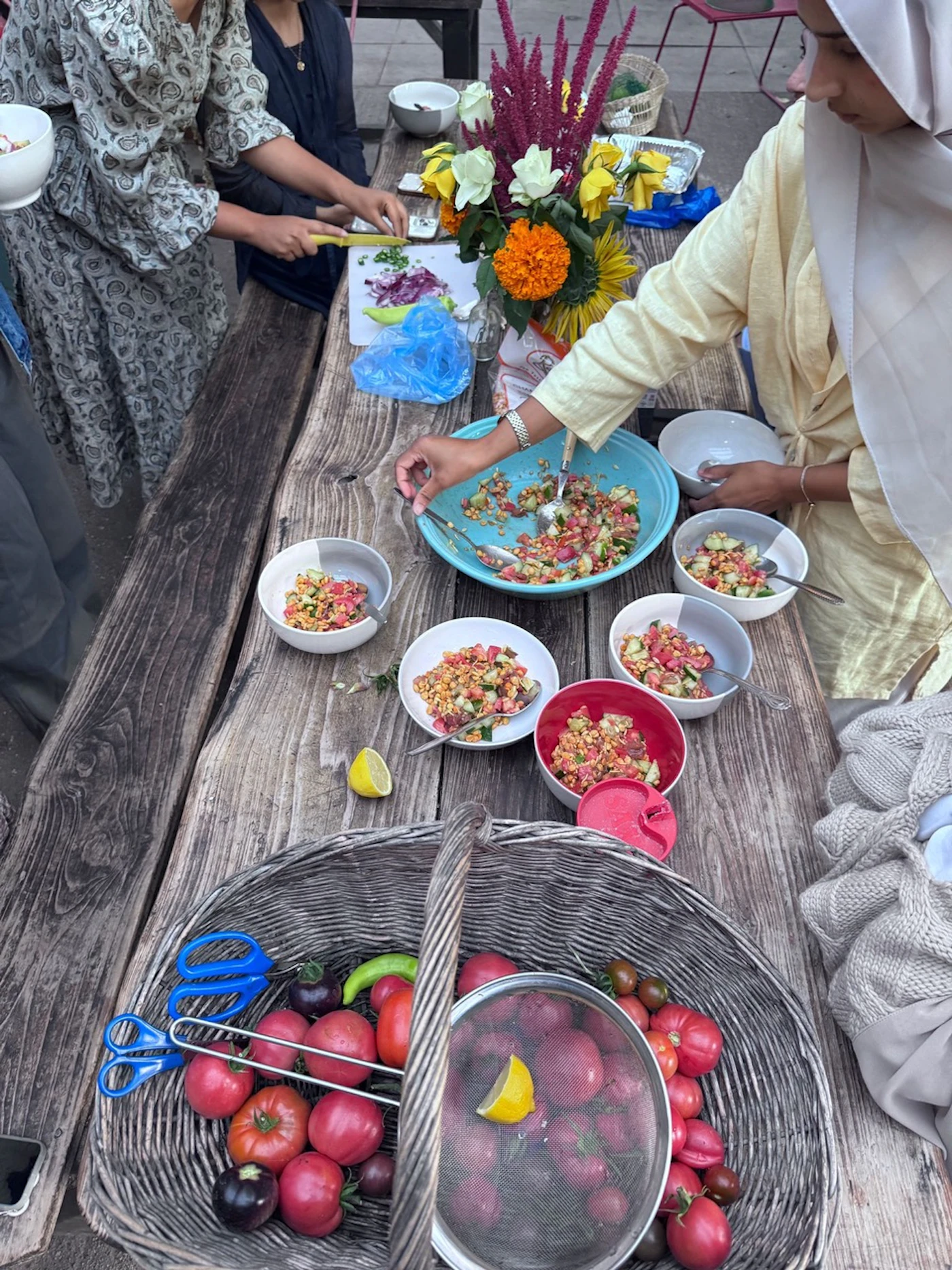
Above is a shot of seasonal, locally grown and organic produce from the Leyton Boundary Garden picked last harvest season (2025). This was harvested and shared with members of the growing group for free and is an example of the attainability of healthy produce. A local grower comes by the garden whilst he is cooking his dinners to grab fresh produce and herbs, and I grab mine weekly, with the garden group chat updating what’s available to take.
Food for Thought
The global food system is structured with profit in mind. It seeks to meet demands for out-of-season produce using chemically, biologically, or physically altered seeds. This means that chemicals like pesticides, which are designed to kill organisms and extend shelf life, enter our bodies, leading to a range of diseases and disorders.
There is a toxic cycle of profit in the global food system. It starts with corporations creating chemically and biologically modified seeds and ends at pharmaceutical corporations profiting from treating the disease that comes from human consumption of the produce. For example, seeds created by Bayer Crop Science promote success in wheat and barley output in winter and spring. They have active substances, which are antifungals used in both medicinal and agricultural practices: prothioconazole and tebuconazole. By the end of the growing and harvesting process, these drugs are found in the produce and in drinking water. Human exposure to chemical pesticides and antifungals is linked to chronic illnesses such as cancer, heart, respiratory and neurological diseases. The World Health Organisation urges people to realise that pesticides cause acute and chronic disorders. For decades, extensive research shows that the use of pesticides contributes to the pollution of water, with cases of drinking water poisoning occurring in India.
It seems ridiculous that this is the norm in the 21st century, where technological and medical advances seem to be at their peak, that we eat unsafe produce and drink polluted water.
Mainstream media feeds into the discourse that chemically altered food is normal and unavoidable. Articles that cover the food and cost of living crisis seek to wash away the dangers by suggesting “a good wash” of your produce will keep you safe. It fails to include the impacts of runoff into natural water sources, which end up in human and non-human drinking water.
A large-scale, multi-city study was undertaken in South-West England at the Avon River by the Centre of Excellence in Water-based Early warning systems (CWBE). The river provides roughly 1.5 million people with drinking water, and CWBE found a high level of the antifungal drug tebuconazole from agricultural runoff. Dangerous residue that is difficult to extract is found in the water in Chippenham, Bath and Trowbridge and a moderate amount in Keynsham and Bristol.
Get to the Root of the Problem
Unfortunately, the culture around food systems focuses wholly on the consumer rather than the production system, including the food grower. It redirects the reality that in this cost-of-living crisis, it is cheaper to eat unhealthy, processed meals. Having affordable, but chemically altered and pesticide-coated produce is better than having nothing. Right?
But once upon a time, people ate organically, for free or at really low costs.
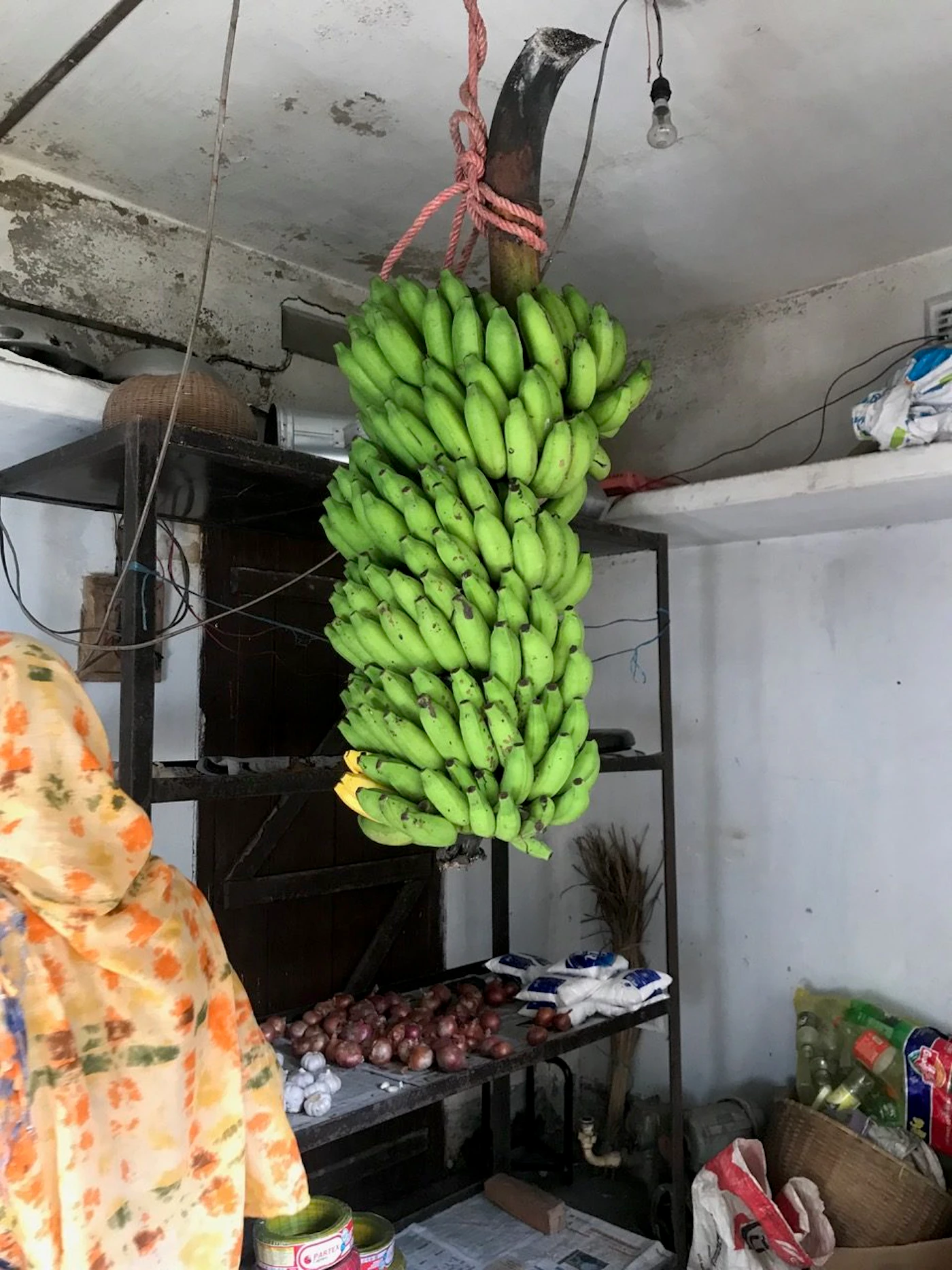
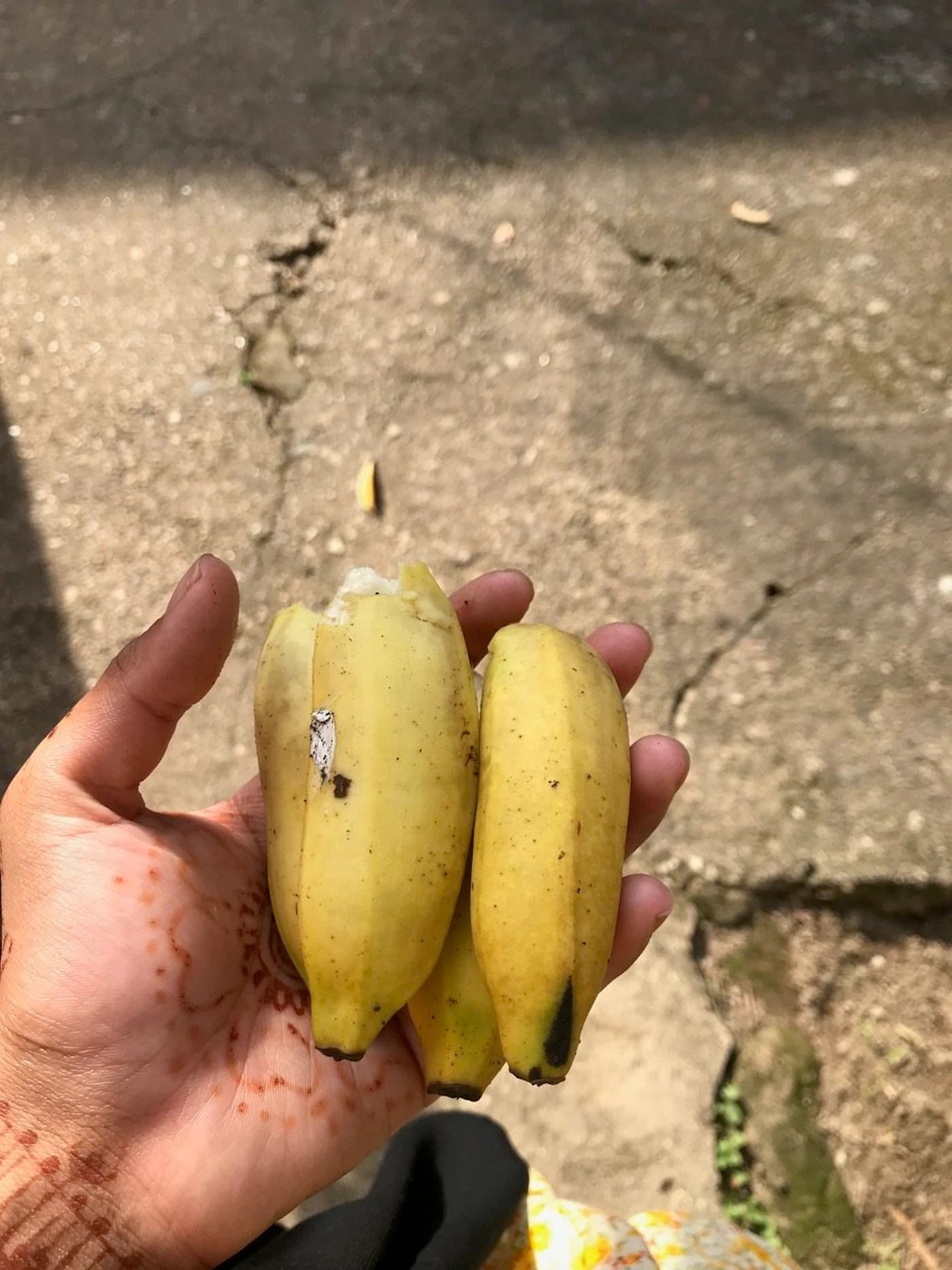
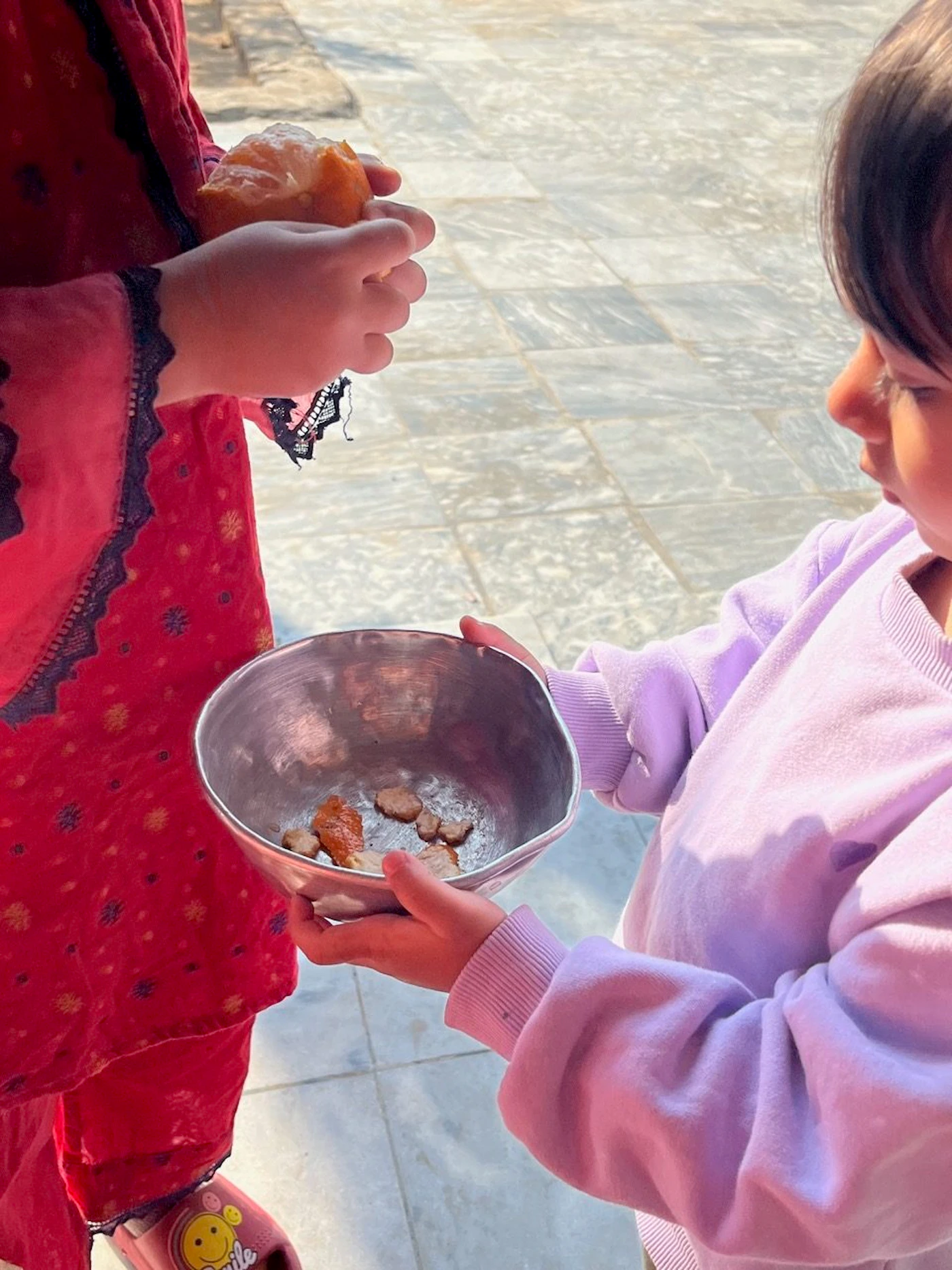
For example, they enjoyed a fruit, kept and dried the seeds, and simply sowed them. Growing up, I would see relatives sharing different produce with one another, and celebrate the sizes of khodu (bottle gourd), spice levels of chillies and juiciness of homegrown cucumbers. In Bangladesh, we would wake up with ripe bananas on the table and understand the stages of ripening fruit. In Pakistani villages, sharing the orange harvest in the winter brings generations together, creating a bond with the land and neighbours.
Populations once had access to gardens and shared growing spaces before the first genetically modified food production came about in 1994. The need for stronger, evolved crops always existed, and farmers would cross-breed plants naturally and often by hand. The food system was never revolutionary; the seed is a human necessity.
Plants can naturally resist and evolve to succeed in their local climate, which would result in stronger and more resistant seeds.
Now, we live in a system where corporations want us to believe that growing food using chemicals is easy and low-risk, while charging us extortionate costs for organic, seasonal produce.
It does not make sense.
Access to organic produce has become a privilege where farmers’ markets only see members of a specific economic class. As political turmoil and trading routes are in danger, there is a 75% increase in the cost of fertilisers, putting the food system in a compromising position. As a result, the cost of produce will increase, the ability to access a variety of fruit and vegetables will fall, and prices could rise by 15-20% in the first half of the year.
Light at the End of the (Poly)Tunnel
There is a better and more affordable way!
People can eat healthier, at reasonable costs, if not for free and most importantly, gain access to locally grown and seasonal produce.
Eating healthy, culturally and seasonally aligned meals without breaking the bank should be a universal norm. Better education and engagement in growing, regularly eating fresh vegetables, herbs, berries and fruit can stop being an idealised trend and become celebrated seasonally, where beautiful meals are on all tables.
For us to have food sovereignty and live healthier lives, an alliance with farmers, growers, consumers and activists is important. This means everybody is important in the process of attaining real food, especially members of all cultures, born here or overseas. The success of the food growing movement relies on the involvement, knowledge and support from our mothers, aunties, and grandmas.
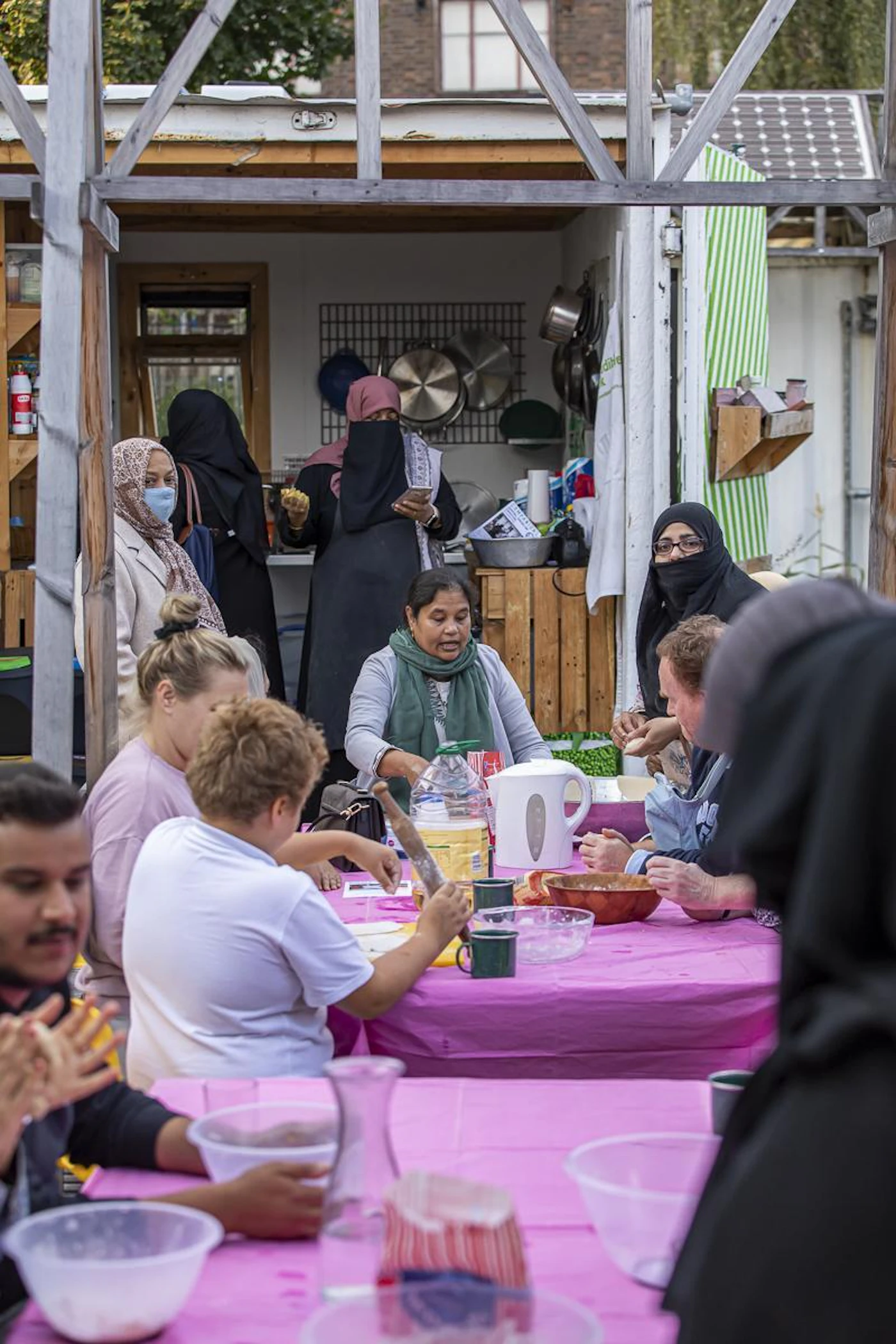
Pictured above is R-Urban’s Teviot People’s Kitchen. A case study of how cultures can come together to grow and share produce and skills. This Eid, women shared recipes for traditional Bengali snacks that are made on Eid, like Nunor Bora [Noon-or Boh-ra), with the community, Muslim and non-Muslim.
East London’s Spitalfields City Farm, Stepney City Farm and R-Urban Poplar are champions for our migrant mothers, giving them a place to grow culturally relevant foods, like Khodu (bottle gourd), Naga Chilli, and even Karela (bitter gourd) . The Cranbrook Community Garden in Tower Hamlets have put together a Cookbook of ethnic recipes from aunties in the Bangladeshi community, written in English and Bengali.
Leyton Boundary Garden is a huge, accessible plot that’s in the middle of East London, with groups that support migrants, a Sisters Gardening Club, and Salsaal held by Hafsah Hafeji, as well as offering a surplus of produce for free.
Get Food, Fast!
Volunteering at community gardens and food growing sites opens doors to a wealth of knowledge and support in growing food in sites and on your own. Co-operatives like R-Urban, Cranbrook Community Garden and Organic Lea have the infrastructure to provide hot meals from produce grown and cooked on site.

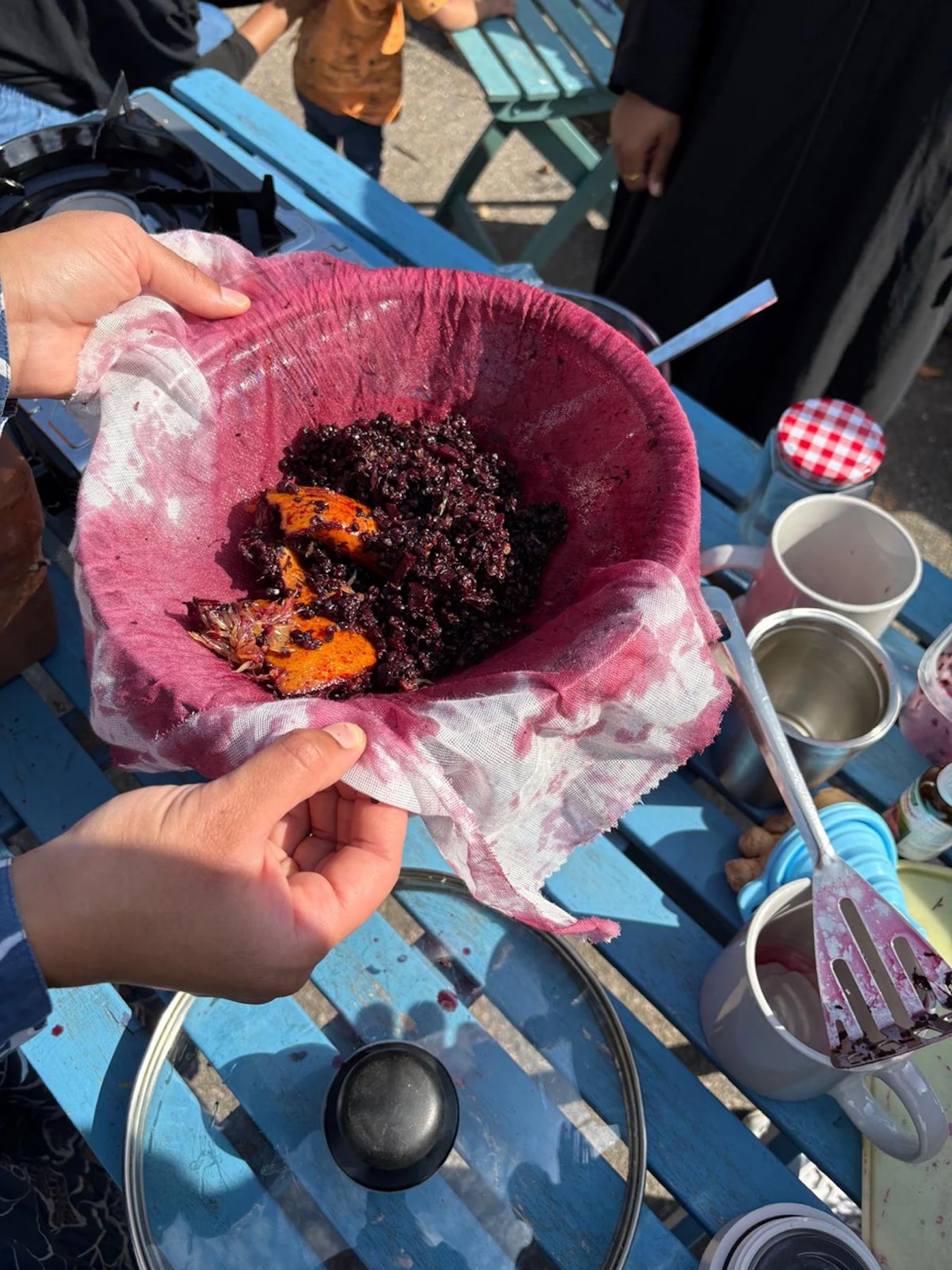
Pictured above is Aleya, a custodian of the garden at R-Urban who harvests and cooks vegetarian lunches for volunteers on Thursdays. Aleya is eager for her neighbours and the Muslim community to join in volunteering at the garden and benefit from the healthy, free and organic produce.
In North London, OmVed Gardens, Woolves Lane Centre and Coffee Afrik have fostered a culture which supports BIPOC as well as providing cultural foods. They address inequalities in access to land and food, and reimagine land stewardship towards climate and racial justice. Woolves Lane in Tottenham has a cyclical food system where their produce is sold to local businesses, and people eat the produce they, or their friends, have grown!
South London’s Grow to Know movement is alive and kicking down the structures that make access to organic produce difficult for BIPOC communities, especially youngsters who didn’t grow up around growing food and sharing with the community. Streatham Common Community Garden is another place where South Londoners can grow and benefit from the produce they or their fellow volunteers nurture. Earth Tenders in S.E London teach visitors to grow cultural foods as well as growing as an act of resistance. Workshops and gardening days vary for all spaces, with evening events for those who don’t have their daytimes free.
Finally, Wildlife Watch and Young Wilders hold an array of events and workshops across the UK, all of which are guided and intended to give you the confidence to get outdoors and get exploring and growing. Most community gardens ask for an average of two hours a week at their gardens, with clear directions and accommodation of people and their needs. As open and understanding spaces, you aren’t expected to come every single week, but are welcome to drop in when able to and reap what you’ve sown – literally. Whether you’re in London, the UK or far, the food movement is alive and growing worldwide. The Right to Grow movement is making headway fast across London and the UK to make food growing easily accessible and affordable.
We don’t need to subscribe to the idea that organic produce can be paywalled. It should not be a sign of wealth and the image of the highest luxury, and it won’t be if we look locally towards food-growing spaces.
It’s true, we cannot give up dependency on the food systems completely; asking that of an average person is unrealistic. Access to education and space for growing food, becoming comfortable sharing and sowing seeds together are important in recognising the food system that does not care for our wellbeing.
In a time where the global economy is shaken, and the food system’s dependence on fertilisers is unstable, we can find a local garden to take root in, giving and taking from the land, from Allah ﷻ and his creation in an ethical and responsible way. Here, the concept of fresh produce being a luxury can crumble when we take ourselves, our children and parents to a garden, do a few hours of work, grow human connections and eat delicious, pesticide-free, affordable meals.

Mareeam Tomomi Ahmed
Mareeam, 27 from London is a facilitator that aims on getting people outdoors to appreciate nature and community. After being trained in research and tackling colonial thought and history she has shifted to create micro change in the immediate sense by facilitating workshops and third spaces for all minorities to engage in physically. Her interests and aspiration is to create a network of people until the resistance is firm.
