
What Does Our Appetite for Socially Grounded Horror Say About the World We’re Living In?
by Roda Musa in Culture & Lifestyle on 4th September, 2026


The UK streets are sweltering through what seems like the umpteenth heatwave of the summer. England shirts and St George’s flag appear on every corner as World Cup fever possesses the nation. Surprisingly, cinemas, which have long seen dwindling attendance, are also full — but the films pulling in the crowds are not the usual superhero blockbusters. They’re horror films.
Recent releases such as Obsession and Backrooms have set the internet alight with heated debates, fuelling audiences to experience it for themselves. They join a wave of horror successes from recent years, including Ryan Coogler’s vampiric epic Sinners and Jordan Peele’s sharply modern Get Out. In their own distinctive styles, each film deploys traditional horror tropes to critique contemporary anxieties, from racism and misogyny to isolation in the digital age. Their overwhelming success suggests that audiences are hungry for more than the traditional jump scares and ghostly figures.
So, what does this rising appetite for socially switched-on horror tell us about the cultural moment we’re living in?
Perhaps escapism isn’t what we’re after, but recognition. Recognition that the invisible systems and social forces that govern our lives are far scarier than any fictional monsters we could conjure up.
Horror has always been a vehicle for filmmakers to dissect society’s fears. Japan’s Godzilla was born from the trauma of Hiroshima and Nagasaki, while the 1950s saw an expression of Cold War anxieties through the aliens and invasions that dominated much of the science fiction and horror at the time. Modern horror films continues this tradition, but lately it feels like something has shifted.
The genre is now more immersed in the pursuit of exposing the systematic inequality and social isolation that plagues the modern world.
The monster is not a fantastical creature from another world, but embedded in our everyday experiences. Racism, misogyny and capitalism are no longer subtext, but have become the very antagonists of these unsettling stories.
A few scrolls on your phone and you’ll be bombarded with misogynistic podcasters, anti-immigration rhetoric and the most destructive views humanity has to offer. The violence of these discussions seeps into our daily interactions, wearing us down until outrage begins to feel like the default emotional state. Meanwhile, the cost-of-living crisis has left many people unable to envision a secure future for themselves.
Beyond the perils of our TikTok feeds, the physical spaces where we encounter one another are being eroded. Third places, such as libraries, parks and community centres, are essential to building relationships and a sense of belonging, yet austerity has made them increasingly inaccessible, and in some places extinct altogether. The result is a dystopian reality in which, although we are more ‘connected’ than ever, carrying the world in our pockets, there are fewer opportunities to meaningfully know one another beyond the stereotypes and cartoonish prejudices we hold against each other.
It’s a strange kind of loneliness — one of our own making. Against this backdrop, the boogeyman feels quaint.
Get Out (2017)
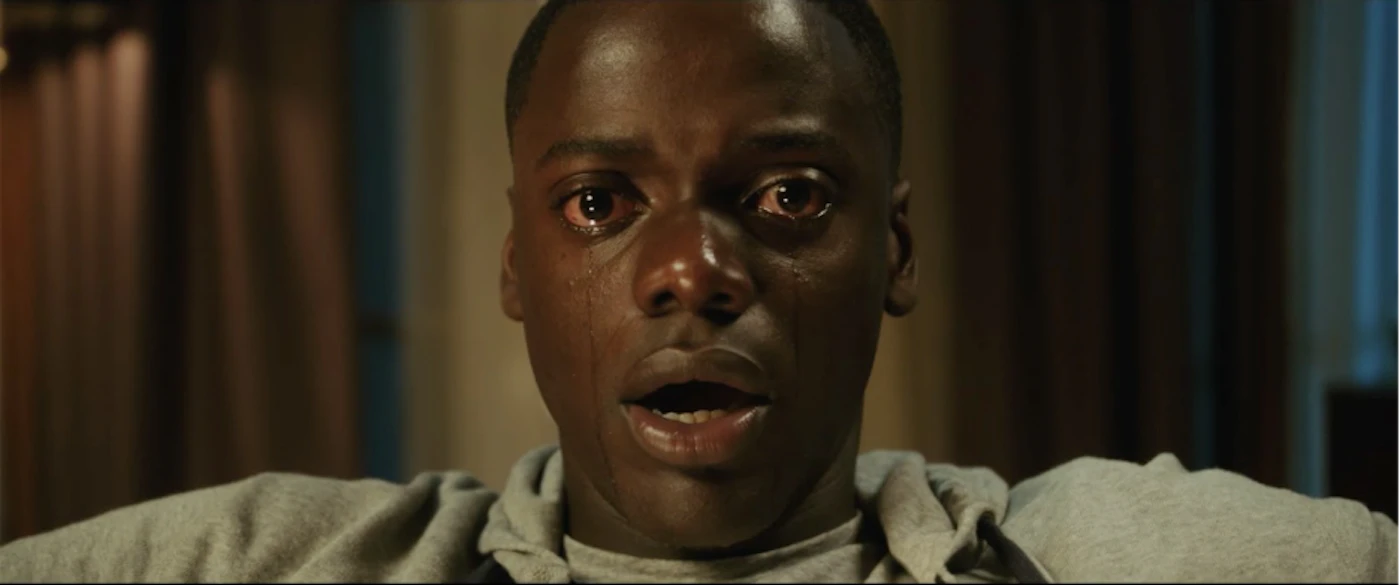
Jordan Peele’s directorial debut Get Out (2017) is often heralded as the beginning of this new wave of socially grounded horror films. The film follows Chris (Daniel Kaluuya), a young black photographer on his way to spend a weekend at the home of his white girlfriend’s wealthy liberal parents.
What begins as an awkward social comedy slowly unravels into a brutal and gory exposé of race relations in contemporary America. The lingering sense that something isn’t right in this seemingly peaceful suburban home is what makes Get Out so compelling. It mirrors the lived experience of many black people, who are all too familiar with the subtle prejudices that fly under the radar for everyone else.
Long before the horror is revealed, black audiences recognise the early discomfort Chris feels as he’s subjected to incessant microaggressions and cringe-worthy displays of performative allyship.
Get Out is a masterclass in social satire, simultaneously unsettling and darkly funny. There is a deep sense of relief for Black audiences in seeing fears that are too often dismissed or minimised validated on screen. The rising popularity of socially grounded horror lies in this recognition. Audiences aren’t always looking for escapism. Sometimes they only wish to be seen.
Sinners (2025)

Exploring similar themes, Ryan Coogler’s ambitiously thrilling Sinners (2025) utilises vampire mythology to frame the Black experience as a nightmare.
Set in 1930s Mississippi, the film follows Sammie (Miles Caton) and his twin cousins Smoke and Stack (both played by Michael B. Jordan) as they endeavour to open a juke joint — a safe space where their community can gather and exist peacefully. Yet this dream of theirs is ultimately crushed, both by supernatural forces and racial oppression alike.
The central despair is best captured when the vampire Remmick tells the twins, “The world already left you for dead.” This line is especially chilling because it doesn’t feel like a fantasy, but a brutal historical truth. Despite being rooted in Jim Crow, the film resonates with many modern Black and other marginalised communities.
The struggle to establish safety and autonomy under the overbearing weight of systematic racism is a familiar terror for many.
Audiences are drawn not only to the bloody spectacle, but also to the way Sinners holds a magnifying glass to historical injustice, exposing the ancient collective traumas that continue to loom over us.
Backrooms (2026)

Unlike the other films in this wave, Kane Parsons’ eerily off-kilter debut Backrooms (2026) emerged from an online folktale, a ‘creepypasta’ that evolved through forums and shared images.
Chiwetel Ejiofor stars as Clark, a depressed furniture salesman dealing with the ruins of his life after his wife leaves him. He stumbles upon a portal into the ‘Backrooms,’ revealed to be a liminal space that preys on his psyche. The horror here is the vast emptiness before him, an emptiness that stretches endlessly. An isolating hellscape that evokes fear due to the unnerving familiarity it holds.
Following its release, there has been a wide array of debates about the meaning of Backrooms. Many viewers have picked up on the theme of emotional isolation, evident in the agitating conversations Clark has with his therapist in the film. At a time when loneliness is a global public health crisis, not only resulting in deteriorating mental health, but also slashing life expectancy, the film taps into the silent dread many of us carry.
I’d argue that Backrooms also speaks to the gradual erosion of humanity in the digital age. The space remembers everything — people, furniture, language, architecture — but only imperfectly. Familiar objects are mangled, resembling the early creations of generative AI.
Clark himself explains, “Imagine describing a dog to someone who’s never seen one before and then asking them to draw it. It will look similar, but the devil is in the details.” The missing details are the evidence of human touch.
The uncanny sprawling space is the physical manifestation of the bleakest parts of modern life, an existence devoid of connection or purpose. An existential dread that is unfortunately known to many of us.
Obsession (2025)
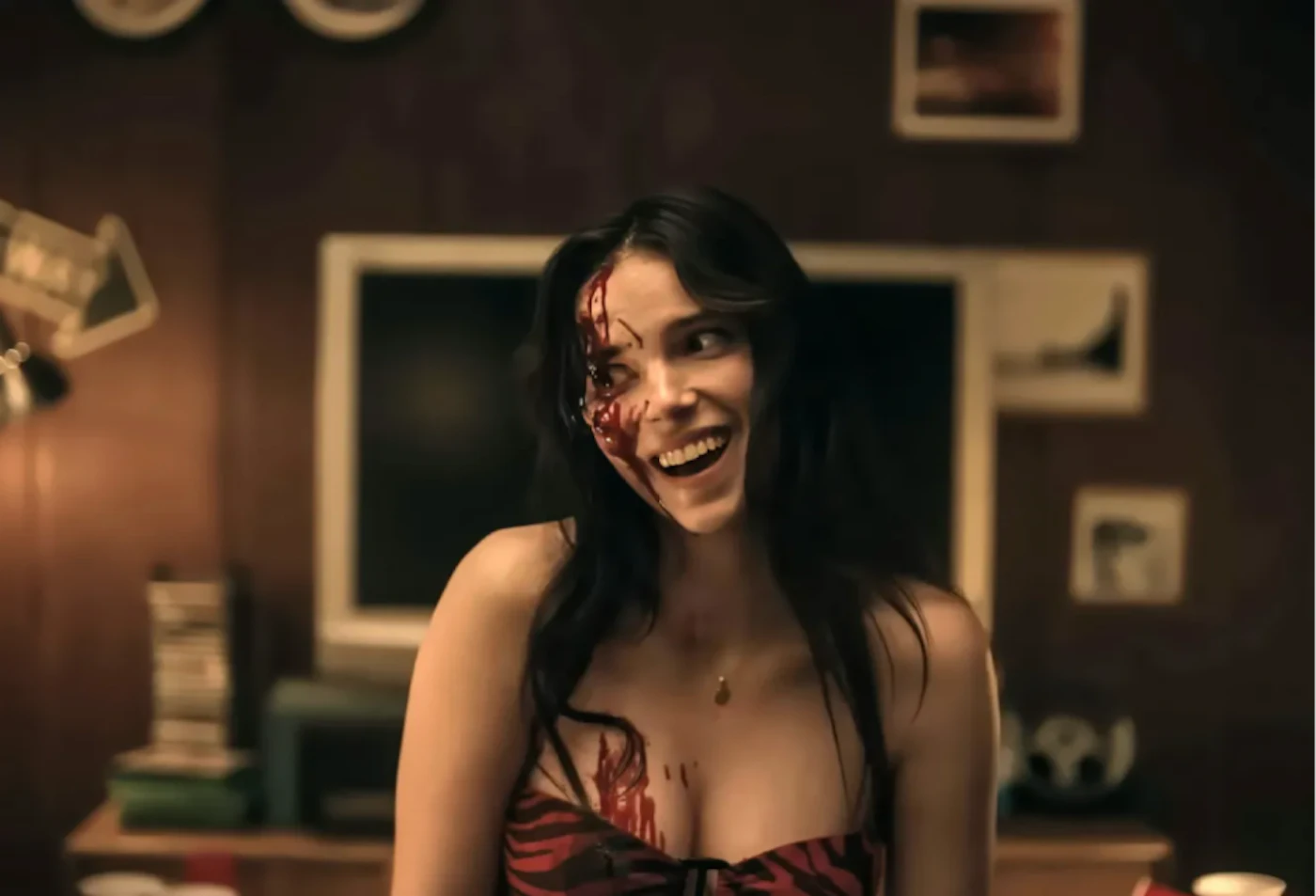
Maybe the most contentious of the recent horror releases, and the biggest surprise of the year, is Curry Barker’s Obsession (2025). When I went to see it, I was unaware of the hype surrounding it, and found myself sat in a packed screening during what has become my weekly cinema ritual.
Bear (Michael Johnston) is an awkward young man infatuated with his friend and co-worker, Nikki, played by breakout star Inde Navarrette. His intense desire takes a twisted turn when his wish for Nikki to love him ‘more than anyone else’ is granted. We watch, both in shock and amusement, as Nikki is stripped of her autonomy and a gruesome fallout ensues.
In a climate shaped by rising red-pill ideology, it’s particularly distressing to see Nikki forced into a sexual relationship with a man she has no interest in. Her suffering, played for laughs throughout the film, is invisible to everyone around her, and she’s forced to play out someone else’s fantasy. The horror reaches a crescendo when the film allows a peek into Nikki’s trapped consciousness, fully aware of the situation but powerless to stop it.
Obsession has evidently struck a nerve with young audiences. It cleverly echoes a depressing modern phenomenon: men feeling entitled to women’s affection and bodies, all the while framing themselves as victims rather than villains.
Monsters don’t always lurk in the shadows. Sometimes they’re disguised as ‘nice guys’ who can’t accept rejection.
All these films differ both tonally and structurally, but there is an unmistakable connection between them beyond just genre — that being social criticism. Audiences are looking for catharsis, an acknowledgement of their real-life fears, and to see their anger and anxiety reflected on screen.
We’re surrounded by problems that feel too immense and beyond our control. The soul-sucking nature of late-stage capitalism, the brutality of systemic racism and misogyny, and the overwhelming feelings of loneliness that stalk us on our daily commute. While we struggle to find the solution to mend this seemingly doomed reality, horror helps validate our inner turmoil.
Previous generations feared the monsters and ghouls found in children’s storybooks, while ours seems increasingly haunted by inequality and isolation, engineered by the invisible forces governing us.

Roda Musa
Roda is a digital producer and freelance writer. She specialises in writing about film & culture, and her work has appeared in publications like Little White Lies, Polyester and Amaliah.
