
5 Films About Muslim Women Beyond the Mainstream
by Roda Musa in Culture & Lifestyle on 31st March, 2026

 I’ve always loved films, and while I don’t believe you need to see yourself represented to relate to a character, there’s something genuinely joyful and quietly radical about seeing Muslim women exist on screen beyond stereotypes, not as passive subjects, symbols or case studies, but as people; central, complicated, funny, flawed, brave, or simply being themselves and living their lives unapologetically.
What makes the following films particularly powerful is their refusal to orient themselves around a white gaze. As the great Senegalese director Ousmane Sembene famously said, “Europe is not my centre.” These are not films made with a Western audience in mind. Though the directors in this list come from different parts of the world and tell vastly different stories, they are united by a shared resistance to explanation; a commitment to not diluting or flattening Muslim women for easy consumption. They fashion worlds where Muslim women desire, make mistakes and ultimately save themselves.
To me, centring powerful portrayals of Muslim women isn’t about chasing perfection; it’s about showing that we exist in complex, multifaceted forms, despite society persistently pushing us into a pre-designated box.
Too often, Muslim women in Western media are sidelined or defined solely by religion, framed as victims to be rescued or problems to solve. But our lives, personalities, and stories span far beyond that. When a film makes space for that fullness and portrays Muslim women’s lives with the rich texture that they deserve, the results are electric.
These stories do exist, if you just look outside the mainstream and surrender your fear of subtitles. Below I’ve listed some cinematic gems to savour, dissect and recommend to a friend.
Dhalinyaro (2017)
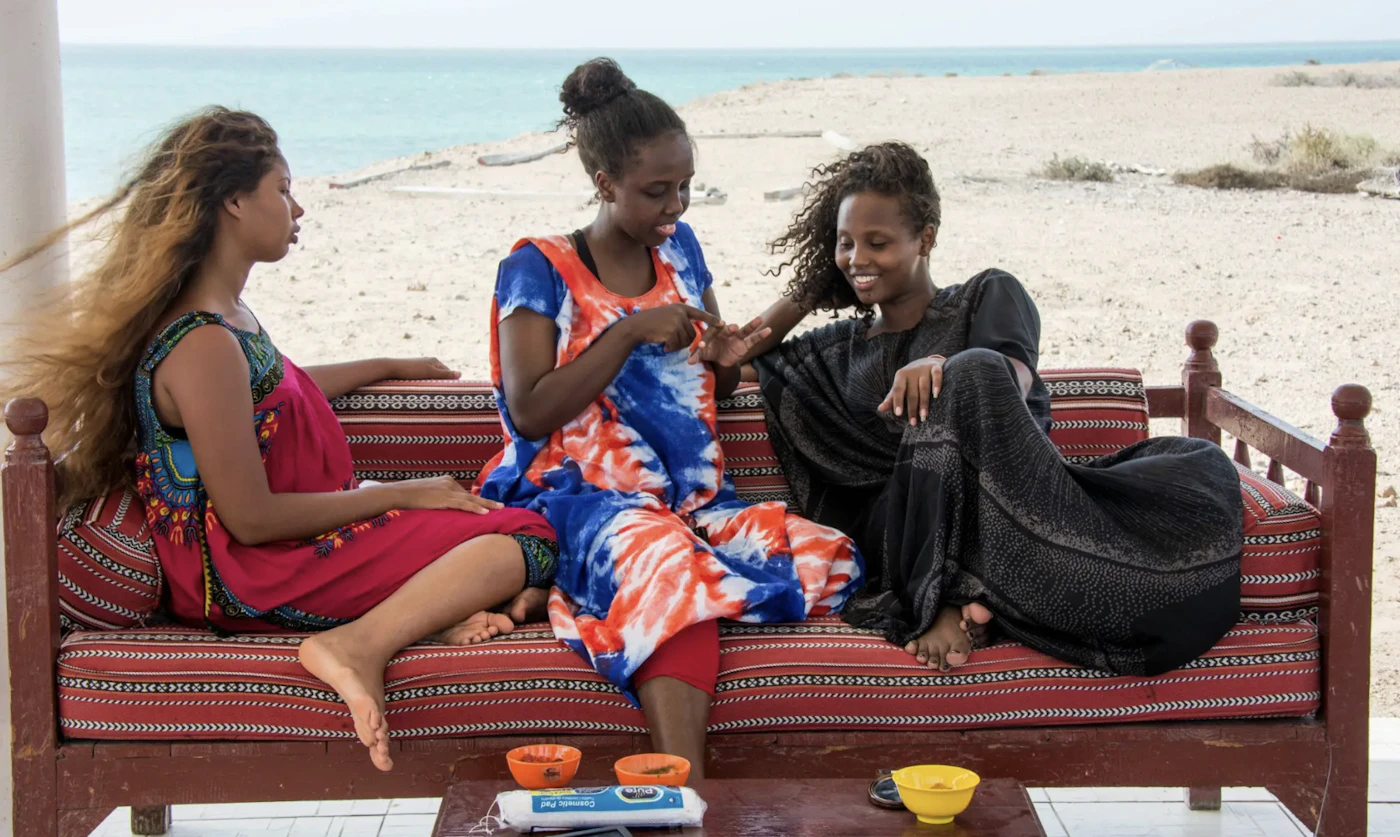
‘Dhalinyaro,’ translating to youth in Somali, follows three young women on the cusp of adulthood, as their paths gradually pull them in vastly different directions. In her debut film exploring Somali girlhood, Lula Ali takes her camera to the sandy beaches of Djibouti and captures a moment suspended in time, where everything still feels possible.
Starring Amina Mohamed Ali, Tousmo Mouhoumed Mohamed, and Bilan Samir Moubus, the film conjures up images of lost teen years and a soft but fleeting innocence once cherished. These girls are allowed to be messy, proud, and defiant in the face of expectations placed upon them. The camera doesn’t judge; instead, Ali approaches their world with measured patience, attuned to the small rituals of self-expression. Secret romances. Sneaking out with friends. Clothes and hair scented with uunsi, carrying traces of home wherever you go.
Ali reminds us that true strength isn’t found in rebellion alone, but in the courage and thrill of carving out a space for yourself.
You can watch it on Amazon Prime.
A Girl Walks Home Alone at Night (2014)
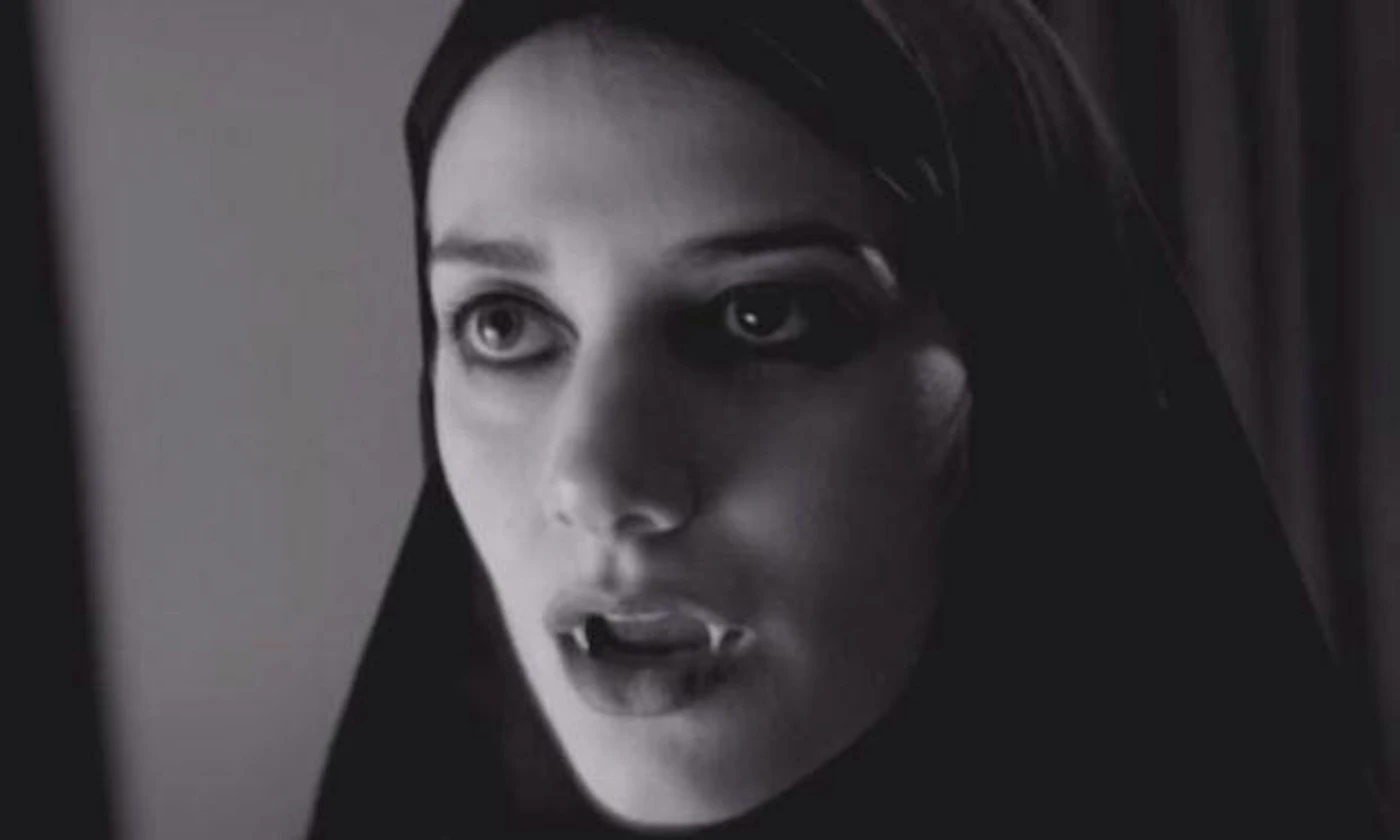
Have you ever seen a skateboarding, chador-clad vampire?
Ana Lily Amirpour’s feature debut doesn’t just introduce one of the coolest characters in modern cinema; it builds an entire world around her, as she rattles gender dynamics with slick style. She is not explicitly muslim, but her chador can be viewed as visual reclaiming of power, subverting stereotypes of muslim women as passive.
Sheila Vand is a magnetic presence as The Girl, a nocturnal drifter armed only with her skateboard and impenetrable gaze. Draped in a chador that billows like a cape, she is transformed into something other-worldly. The girl walking home alone isn’t in any danger; she is the danger, an avenging angel stalking dark alleyways to reclaim the night, offering a view into female rage that is both controlled and unrelenting.
It’s a conflicting piece of art that effortlessly folds genres together: part vampire western, part arthouse romance. Though set in an Iranian town, the film is drenched in American pop iconography, forming a space untethered from time or place. The Girl exists in a universe both mythic and modern, and she owns the story.
Available to watch on Amazon Prime and Apple TV.
In Flames (2023)
Sometimes the patriarchy feels like a waking nightmare you can’t escape. Predatory men stationed on every corner, dressed in sheep’s clothing, poised to take a piece of flesh. That’s the premise of Canadian Pakistani director Zarrar Khan’s ‘In Flames,’ which reframes horror not as the fear of the unknown, but as something rooted in the everyday threats women must navigate.
Our unyielding and perceptive lead is 25-year-old Maryam, played by Ramesha Nawa, a medical student. Following the death of her grandfather, she and her mother are left without a male guardian, rendering them vulnerable in Karachi, with no property rights of their own.
Khan blends the suffocating horrors of daily life as a woman with the supernatural, exposing how misogyny bleeds into every crevice of life, haunting not just dark alleyways, but brightly lit streets, homes and established institutions. It’s far more menacing than any traditional monster.
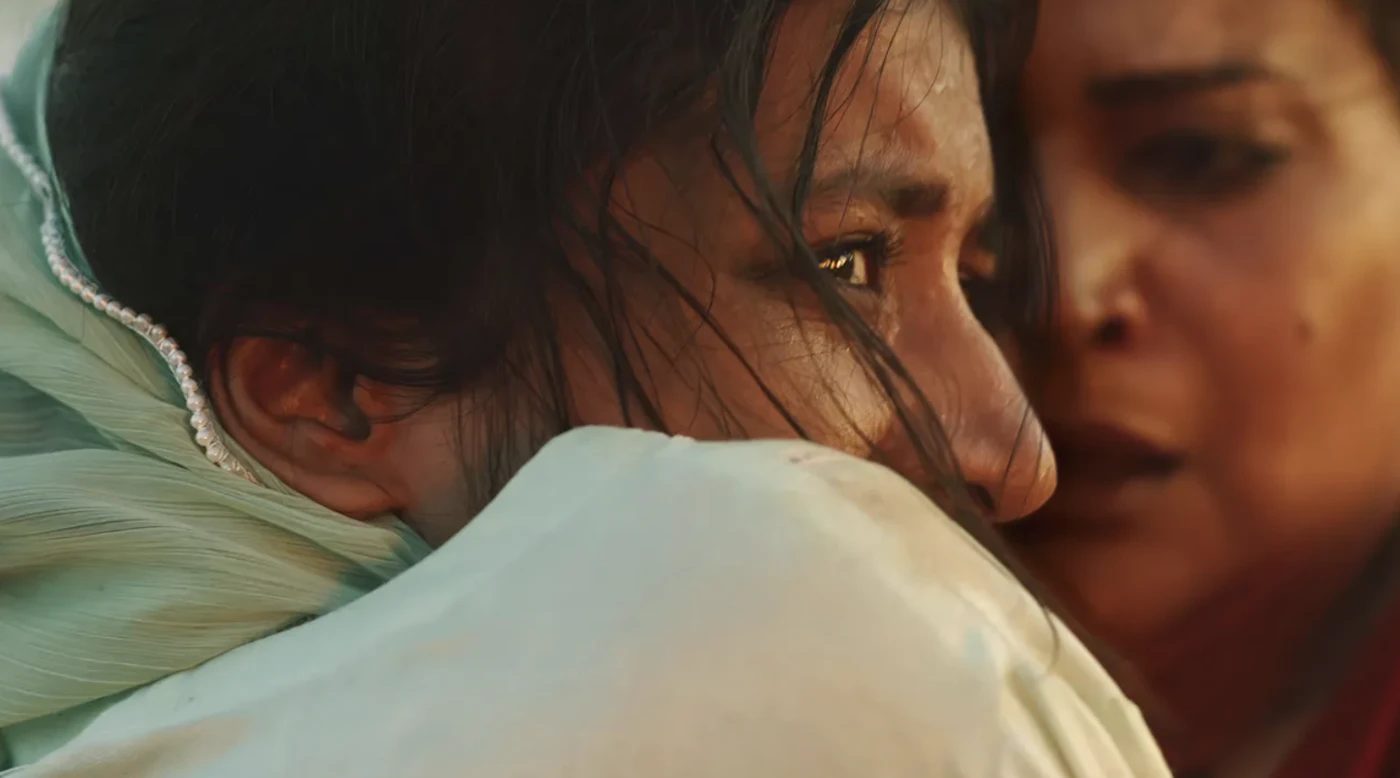
Maryam stares down the darkness, drawing strength from her connection with her mother to ward off the ghosts of past traumas. Their warm embrace provides much-needed support and protection.
Available to watch on Amazon Prime.
Moolade (2004)
Warsan Shire once wrote that there are locked rooms inside all women; sometimes the men come with keys, and sometimes they come with hammers.
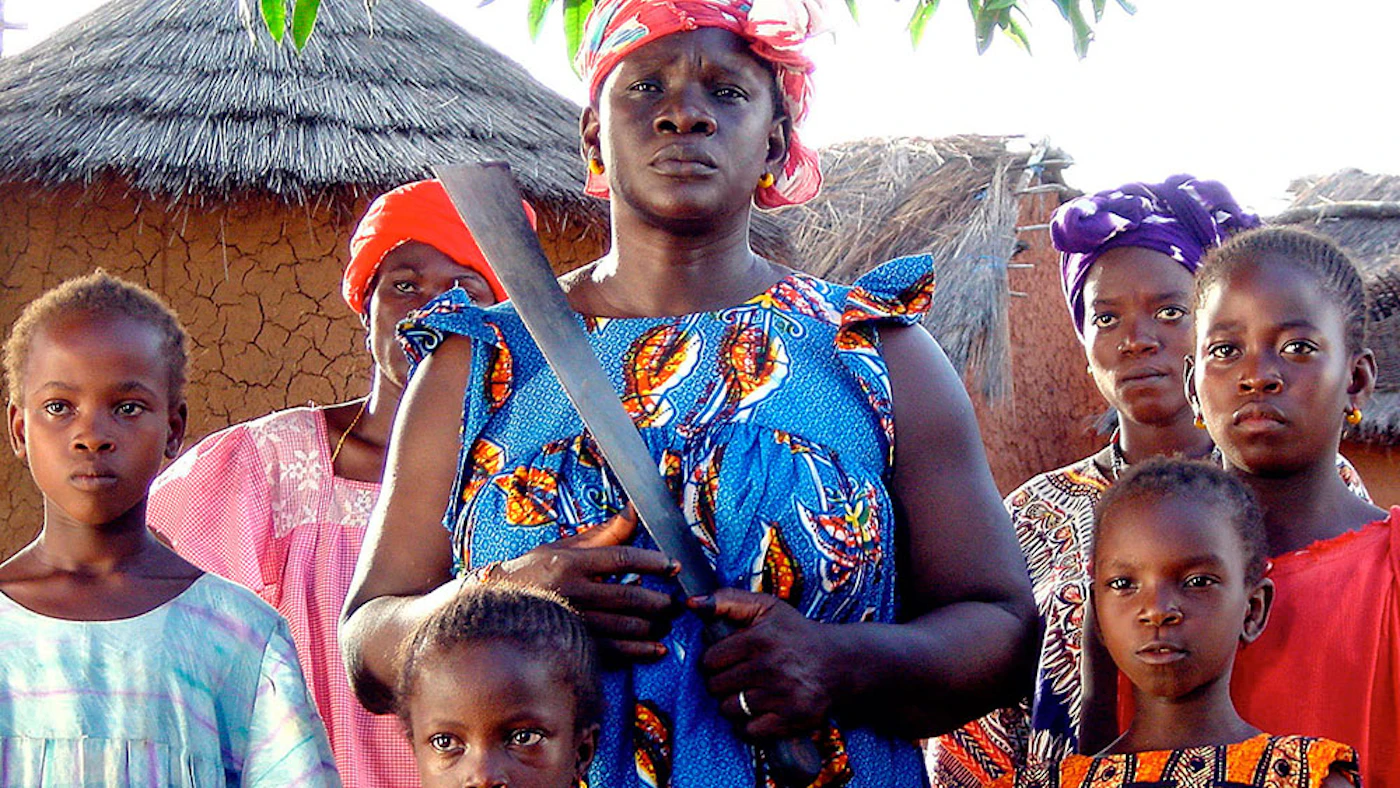
Senegalese director Ousmane Sembene’s film is set in a small village in Burkina Faso, where FGM is still a common practice. At its centre is the imposing Colle, a woman of formidable presence. She steps forward and offers the young girls protection under moolade, a sacred spell that establishes a boundary no outsiders can cross. Marking her home and refusing to yield, she exposes a new and undeniable truth: the abuse can stop.
The men fear the women; this is evident in their scramble to maintain control amidst this small revolution. They confiscate radios, blame modernity for corrupting their wives and weaponise tradition and religion.
Colle dares to question and reject the status quo, using her power to forge a better future for the youth with an authority that can’t be ignored.
Available to watch on the Internet Archive.
Yuni (2021)
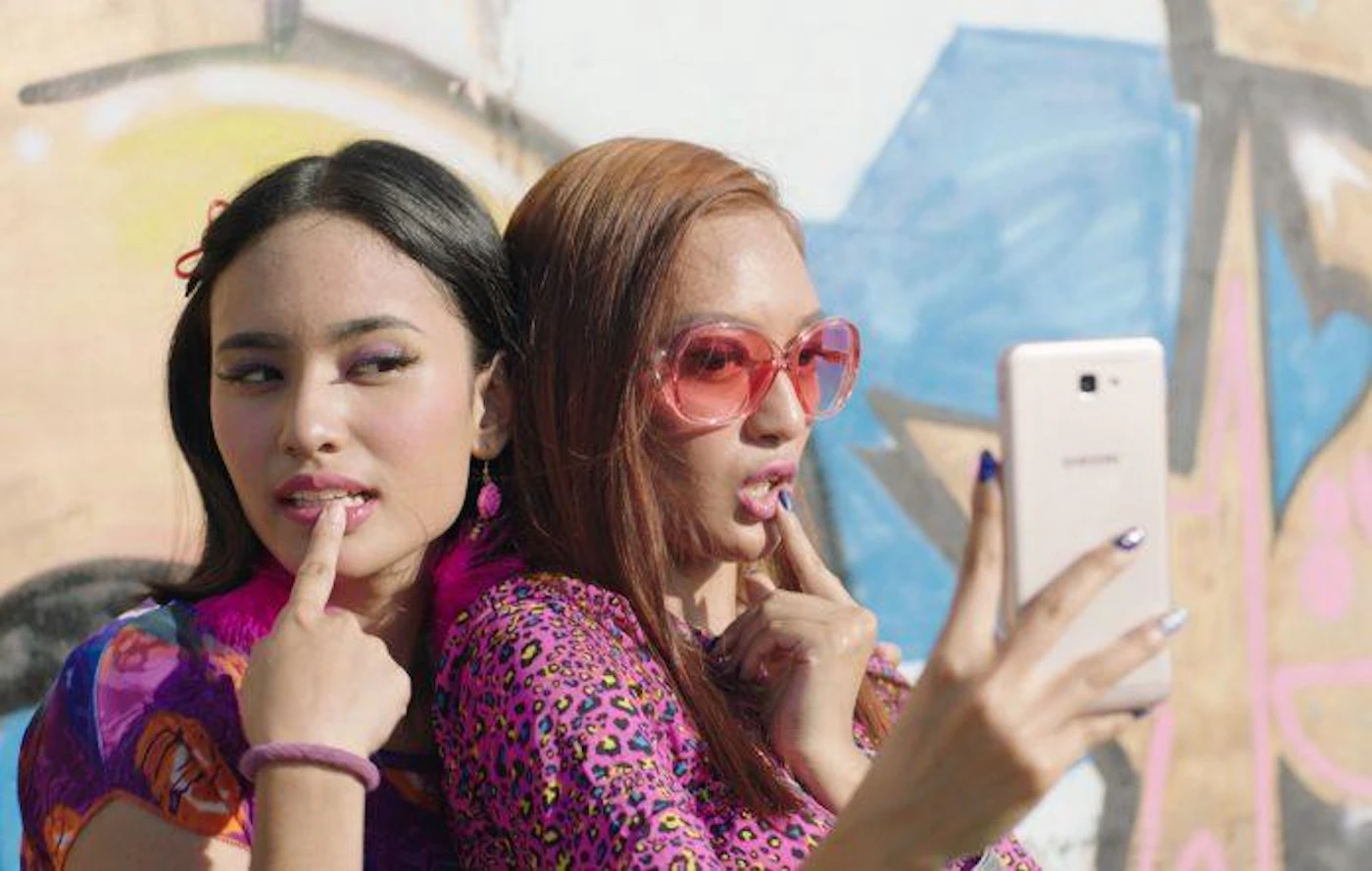
‘Yuni’ is a tender Indonesian coming-of-age story, written and directed by Kamila Andini. Arawinda Kirana is the mesmerising lead, playing a teenage girl living with the unbearable weight of having your future decided for you before you’ve had the chance to imagine it.
At school, control masquerades as morality. Mandatory virginity tests are imposed on girls, and music is banned on the grounds of religion. Yuni, only 16, busies herself with her studies, lingers with friends, and collects purple trinkets in an act of self-curation.
A girl of her age shouldn’t have to worry about much else, with her dreams of college only a whisper away. Yet she is inundated with marriage proposals by men triple her age, each one a threat to her freedom.
This stifling environment is carefully balanced by moments of pure teenage ‘rebellion’: discussing boys with friends, a first romantic experience, nights spent dancing alongside a free-spirited, divorced beautician who offers a glimpse into another world. Throughout it all, Yuni stands firm; she may not yet know what she wants from life – who does? – but she won’t succumb to a fate forced upon her.
Available to watch on Amazon Prime, Apple TV and Mubi.
Within these stories, we find that when the creatives behind the camera understand the weight and complexities of Muslim womanhood, that knowledge is felt on screen. Compared to Western cinema’s long tradition of narrowing us into symbols, often in an effort to explain away our perceived otherness, the difference is stark. In films like Dhalinyaro, A Girl Walks Home Alone at Night, In Flames, Moolade and Yuni, complexity isn’t granted but assumed.
While these films don’t announce themselves as radical, they are – in the tenderness, defiance, or dread they carry. They offer the profound relief of being seen without being reduced or defined. Perhaps what really matters isn’t being visible as Muslim women, but actually having agency to shape our own stories.

Roda Musa
Roda is a digital producer and freelance writer. She specialises in writing about film & culture, and her work has appeared in publications like Little White Lies, Polyester and Amaliah.
