
The Importance of Muslim Women’s Scholarship
by Ta Collective in Culture & Lifestyle on 28th May, 2026

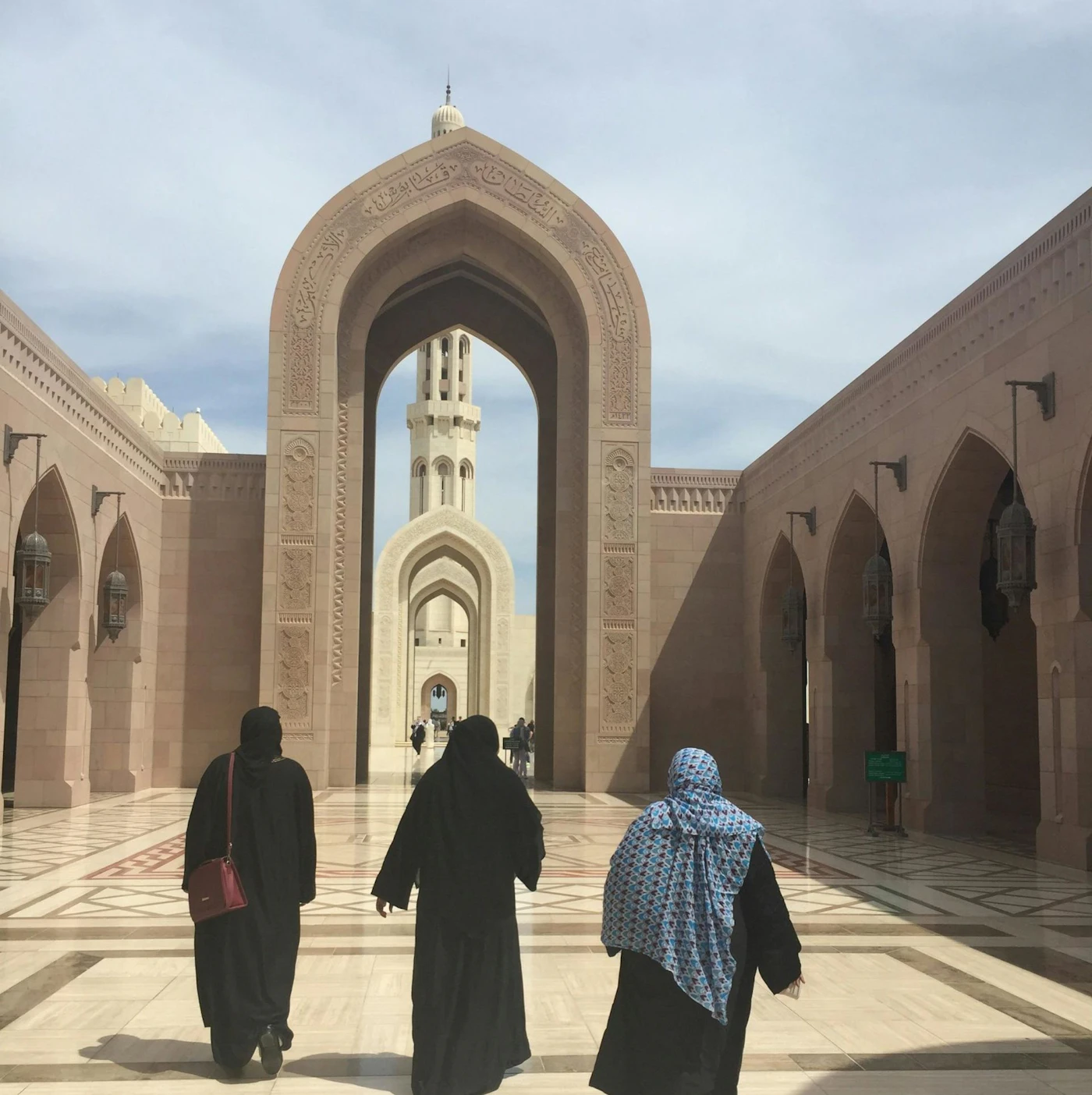
In the UK today, many Muslim women feel like outsiders in their own faith, isolated from accessing knowledge and often unsure of where to turn to for faith-based guidance. Scholarship is seen as a man’s job, and the majority of institutions that offer Islamic scholarship courses are run by men in the UK. A survey we did a few years ago found that less than 10% of Muslim women have a trusted Islamic scholar for guidance.
For many, this might not be surprising, but we come from a faith tradition in which Muslim women Muslim women have always been at the forefront of Islamic scholarship.
From the more than 2,000 ahadith preserved by the wife of the Prophet ﷺ, Aisha RA, narrations that give us intimate insight into the life of the Messenger ﷺ, from how he prayed the night prayer to legal and domestic rulings. This includes rulings on consent in marriage, menstruation, ritual purity and even domestic matters, as in the famous example of Hind asking whether she could take from her miserly husband’s wealth to fulfil her own needs.
We see clearly that women were not mere bystanders in the formation of Islamic knowledge. Many of the answers we rely on today exist because a woman asked the Prophet ﷺ a question.
Women were not shy when it came to learning their faith and asking the Prophet ﷺ. It’s through Fatima bint Abi Hubaish that we know the difference between menstrual bleeding and irregular bleeding.
Fatimah came to the Prophet ﷺ and said, “O Allah’s Apostle, I get persistent bleeding from the uterus and do not become clean. Shall I give up my prayers?” Allah’s Apostle ﷺ replied, “No, because it is from a blood vessel and not the menses. So when your real menses begins, give up your prayers and when it has finished, wash off the blood (take a bath) and offer your prayers.” Hisham (the sub narrator) narrated that his father had also said, (the Prophet told her): “Perform ablution for every prayer till the time of the next period comes.” (Bukhari)
Shaykh Akram Nadwi’s 40+ volume documenting more than ten thousand female hadith scholars across Islamic history demonstrates the grip and expertise Muslim women have always had in the Islamic sciences.
I recall listening to him at a talk in East London many years ago when he explained that one of his most significant findings was that in the entire history of women transmitting and preserving hadith, there was no evidence of a single fabrication amongst women. Anyone who has studied hadith will know just how thorough the science is, considering the character of the transmitter, their reliability, their relation to the Prophet ﷺ and more.
Shaykh Akram’s research challenges the common misconception that Muslim women were not serious scholars or that their scholarship holds less weight, and shows that women publicly taught both men and women, were trusted and travelled extensively throughout the Muslim world.
Many taught, well into their old age, including Sitt al-Wuzara who delivered lectures on Sahih al-Bukhari and other works in Damascus and Egypt, to Umm al-Darda, a seventh century scholar who taught students in Damascus and Jerusalem and counted the caliph Abd al-Malik ibn Marwan as one of her students to Fatima al‑Batayahiyyah, an eighth century scholar who moved to Madinah in her later life and used to rest her head on the grave of the Prophet ﷺ when she tired of teaching.
Fast‑forward to our time, and even being near the grave of our Beloved Messenger ﷺ is something largely reserved for men, with apps, time slots and bureaucracy restricting women’s access. The world in which women taught beside his grave feels distant, unbelievable.
It’s hard to imagine a world in which men sat at the feet of women and studied with full respect for their knowledge and expertise, and yet, this was real and common.
For example, we know that in the time of Umar RA, he was once riding his carriage accompanied by others when an elderly woman stopped him and advised him to fear Allah. The people accompanying Umar RA were confused and didn’t understand why he stopped his journey to listen to her. And when they asked, he told them that this woman was Khawla bint Thalaba RA, a woman who was so special that Allah heard her grievances about her husband and responded to them directly in the opening verses of Surah al-Mujadila. Umar asked his companions, “If the Lord of All the Worlds paid heed to her words, why would Umar disregard them?”
Knowing all of this, we must ask ourselves: how have Muslim women faced this erasure from our history? We know that colonial projects benefitted and still benefit from portraying Muslim women as voiceless, powerless and in need of rescuing. And we also know that post‑colonial societies often internalised this mindset.
In the UK today, Muslim women facing abusive marriages often find themselves pleading with Shariah courts and mosque committees simply to be recognised as equal human beings. Many are denied the divorces they are entitled to; others are forced into khula because their husbands refuse to act, and too many are left appealing to the conscience of the very man who oppresses them.
If more of us knew our rights and the tradition of women’s scholarship we inherit, our communities would look radically different.
Perhaps the abuses we see today would not be so common. Perhaps we would not need to beg for justice or access to mosques. Perhaps young Muslim girls would be growing up proud of their faith, not feeling like outsiders in it.
But knowing these stories should serve to give us hope in the women who came before, but also the women we want to come after us. Do we want to live in a world in which Muslim women’s faith is dictated to them by men who don’t always understand our lived experiences? Do we want to get an understanding of our faith from soundbites and online debates from unqualified voices? Or do we want to revive a tradition of women-led scholarship and protect and preserve the tradition of women studying, learning, debating and teaching? We have to consider what we lose when women are pushed out of sacred space and what our communities could look like.

Ta Collective
We are on a mission to help Muslim women love Allah & seek a deeper connection with Him. We want to live in a world where Muslim women can connect to God easily, without fear or concerns, and are able to ask questions and raise concerns they have with qualified Muslim women scholars. Follow us on Instagram @the.tacollective
