
For the Love of the Game: Fatima Sana on Discipline, Growth & Her Passion for Cricket
by Sarah Pervez in Culture & Lifestyle on 3rd July, 2026


South Asia and its passion for cricket is a never-ending love story. A game once known as the gentleman’s game is now played on streets across the region, where fierce rivalries, nail-biting finishes, and post-match analysis fill drawing rooms long after the bails have been removed from the stumps. Cricket beats at the heart of these nations. That passion was on full display this summer as the women’s teams from the Indian subcontinent took to the field at the Women’s T20 World Cup in England.
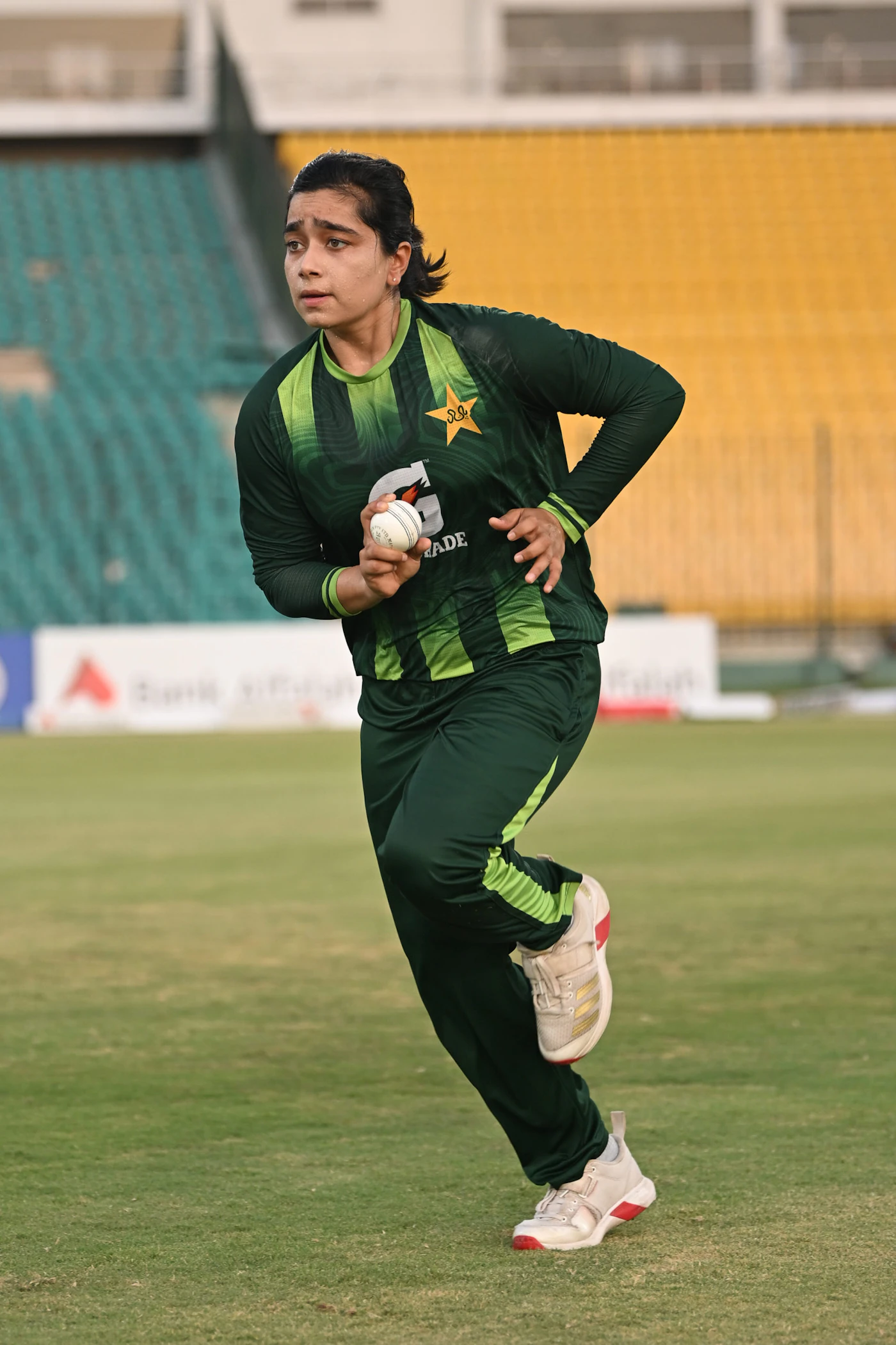
Captaining your country at a World Cup is no small achievement, especially in parts of the world where women’s cricket might have had to fight for investment, recognition and opportunities that many others take for granted. Yet, Fatima Sana, skipper of the Pakistan team, has risen to the very top of the game, leading her squad onto one of cricket’s biggest stages this summer.
The winning teams might have massive corporate infrastructures behind them, but what her team may lack in funding, they make up with their grit and love for the game. And even though the results might not have gone their way in this tournament, they have shown that they are not just participants, but serious contenders.
We sat down with the Pakistan captain to talk about her journey. From where her love for the game began, to bouncing back after setbacks, staying disciplined, switching off after a long day of training, and what leadership has taught her.
Can you tell us a bit about your journey into cricket? What first made you fall in love with the sport?
This is probably the question I’m asked the most. I started playing cricket with my brothers in the streets. It was never planned as a career in the beginning. I just loved being around the game, competing, and trying to get better every day. Over time, that passion grew stronger, and what started as street cricket eventually became my profession. Looking back, I’m just grateful that I kept believing in that dream.
Women’s cricket has grown significantly in Pakistan, but the infrastructure and grassroots pathways still aren’t where many people would like them to be. What has your experience been like navigating that?
This is something that a lot of people talk about, and rightly so. There has definitely been progress over the years, but there’s still room for improvement. When I was growing up, opportunities weren’t as accessible as they are today.
We had to make the most of whatever was available. Hopefully, with more investment in grassroots cricket, the next generation will have an even better pathway than we did.
Personally, I believe that whenever we’re given the opportunity to represent Pakistan on the biggest stages, like a World Cup, our first responsibility is to give absolutely everything on the field. It’s important to talk about facilities, infrastructure, and support, but those conversations carry even more weight when they’re backed by strong performances.
I’m confident the PCB (Pakistan Cricket Board) will continue improving the areas that need attention, and as players we also have to keep pushing ourselves to improve every day. Both things can go together, and that’s how the game moves forward.
Have there been any cultural or societal expectations you’ve had to push back against while building your career as a professional athlete?
Of course, there are always opinions when a girl chooses a different path, but I was fortunate to have my family’s support from the beginning. Their belief in me gave me the confidence to focus on my cricket, and over time, performances speak louder than anything else.

How do you maintain discipline and motivation, especially when results aren’t going your way?
I’ve learned that motivation comes and goes, so I don’t rely on motivation. I rely on discipline. There are days when you don’t feel your best, but those are usually the days that shape you the most.
Results don’t always reflect the work you’ve put in. Sometimes you play well and still lose. Instead of asking, “Why did this happen?” I try to ask, “What is this teaching me?”
If I know I’ve prepared honestly and given everything I have, I can accept the result, learn from it, and come back better the next day.
Who has been your biggest source of support throughout your journey?
My family has always been my biggest source of support, especially my late father. He believed in me from the very beginning and always encouraged me to chase my dreams. Even today, his belief in me continues to motivate me. I’m also grateful to my family, my coaches, and my teammates because no one achieves success alone.
What’s one thing about this team that you’re most proud of?
I’m proud of the character in this group. This tournament hasn’t gone the way we wanted, but the girls have continued to work hard, support each other, and keep learning. That’s important because growth doesn’t only come through wins, it also comes through difficult moments.

After a gruelling training session or an intense match, how do you like to unwind?
I like to keep things simple. Whenever I’m home, I enjoy having a cup of tea with my mother and sister. Sometimes I’ll take my sports bicycle out for a ride on the road in front of our house, or just finding a quiet moment for myself. That balance helps me come back refreshed.
What’s the biggest lesson leadership has taught you since becoming captain?
Leadership has taught me that being captain isn’t about having all the answers. It’s about listening, earning your teammates’ trust, and helping everyone become the best version of themselves. I’ve also learned that you have to be the first person willing to do what looks difficult.
As a captain, you can’t ask others to do something you’re not prepared to do yourself.
You have to lead by example, no matter the situation. When your team sees that, trust grows, and when the team grows, you grow with them.
As captain, what do you say in the dressing room after a difficult loss, and how do you help the team deal with these setbacks?
The first thing I tell the team is to be honest with ourselves. We don’t make excuses and we don’t hide from the result. We accept it, we learn from it, and then we get back to work.
You can’t build character only when you’re winning. Difficult moments are where you learn the most about yourself and your team. Every setback is an opportunity to improve if you’re willing to be honest and put in the work. That’s the mindset I want this team to have.

What does this moment, captaining your national team at a World Cup, mean to you personally?
Captaining Pakistan at a World Cup is one of the greatest honours of my life. It’s a responsibility I carry with immense pride because I know I’m not only representing myself, but my teammates, my family, and millions of people back home who believe in us. It’s a privilege I’ll never take for granted.

Finally, what would you say to a young girl who dreams of becoming a professional athlete?
To every young girl with a dream, I would say this:
don’t let anyone else define what you are capable of. Dream big, stay disciplined, and fall in love with the process, not just the result.
There will be setbacks, sacrifices, and moments when you’ll question yourself, but don’t let those moments stop you. Let them shape you. Keep showing up, keep learning, and keep believing. One day, someone else will look at your journey and believe that they can chase their own dream too. That’s how the game grows, and that’s how we inspire the next generation.

Sarah Pervez
Sarah Pervez grew up in Karachi harbouring a love for the written word. As a recent immigrant to Canada, she spends her nights writing and occupies her days seeking spirituality, yoga, mindful parenting, nursing a cup of chai, avoiding housework and filling her bookshelves with books by PoC. Not all in that particular order. And because she has a lot on her plate, she also blogs on IG as @sarah_pervez1
